Not every wine needs an essay.

Record a full tasting assessment when you’re studying wine, or a few words over dinner. Keep both with the wine.

Return to your earlier notes when you open the next bottle.

The free plan covers one cellar and up to 50 bottles, and you don’t need a card.

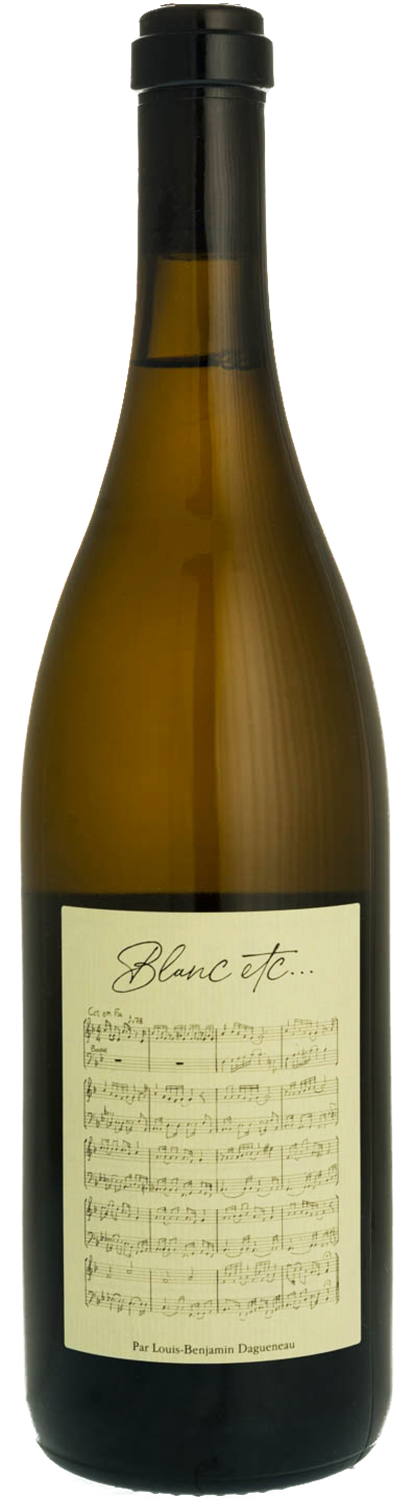
Domaine Didier Dagueneau Blanc etc. 2023 bottle

Blanc etc. 2023

Domaine Didier Dagueneau

“Try the next bottle a little less chilled.”
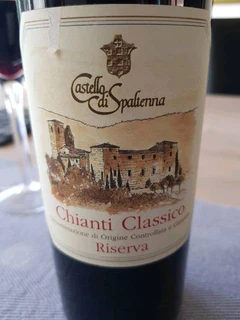
Castello di Spaltenna Chianti Classico Riserva bottle label

Castello di Spaltenna · Chianti Classico Riserva 2021 Two occasions, two ways of putting it.

Over dinner

Overall impression

“Red cherry, good acidity. Better after an hour in the glass. Buy again.”

At a tasting

Appearance

Clarity
Clear
Colour intensity
Medium
Colour
Ruby
Other observations
A garnet rim

Nose

Condition
Clean
Aroma intensity
Medium (+)
Development
Developing
Aroma characteristics
Red cherry, dried cranberry and violet; cedar and clove, with emerging dried leaf and leather.

Palate

Sweetness
Dry
Acidity
High
Tannin
Medium (+)
Alcohol
Medium
Body
Medium
Flavour intensity
Medium (+)
Flavour characteristics
Sour cherry and dried red fruit, with savoury herbs, tobacco and integrated oak spice. Fine-grained, firm tannins.
Finish length
Long
Finish character
Persistent red cherry, tea leaf and a savoury, earthy note.

Quality assessment

Balance
Fresh acidity and firm, fine-grained tannins are supported by concentrated fruit. Alcohol and oak are well integrated.
Length
Long, with red cherry, tea leaf and savoury notes persisting after the wine has left the palate.
Intensity
Medium (+) aroma and flavour intensity, with clearly defined fruit that holds through the finish.
Complexity
Red fruit and floral notes sit alongside oak spice and developing leather, tobacco and dried leaf.

Overall ratingVery good

Balanced and expressive, with a long finish and several layers of flavour. Greater concentration and further complexity would lift it to outstanding.

Readiness for drinking Drink now, with ageing potential. Enough fruit and structure remain for further development.

Know the wine behind the label.

Each wine has a profile covering its grapes, region, typical characteristics, food pairings and drinking guidance. Useful context to compare with what you've found in the glass.

Explore wine profiles

A list of wines worth finding.

Keep track of the producers, grapes and regions you'd like to explore. Organise your wishlist however suits you, and add wines to your collection when you find them.

Explore wishlists

Another opinion is always useful.

Ask Cella why a wine tastes the way it does, how it compares with another or whether it might benefit from decanting. A useful companion to your tasting notes, not a replacement for the books.

Ask Cella

See what you've actually been drinking.

Explore your collection by region, grape and vintage. Look back at your highest-rated bottles, see what you've opened and spot the regions or styles you haven't explored yet.

Explore cellar insights

A photograph of the label won't remind you what it tasted like

Record what you noticed while the wine is still in your glass. Next time you come across that bottle, you'll have something more useful than a vague recollection.

The free plan covers one cellar and up to 50 bottles, and you don’t need a card.